Mexican Dishes to Try at Maíz y Agave
Introduction
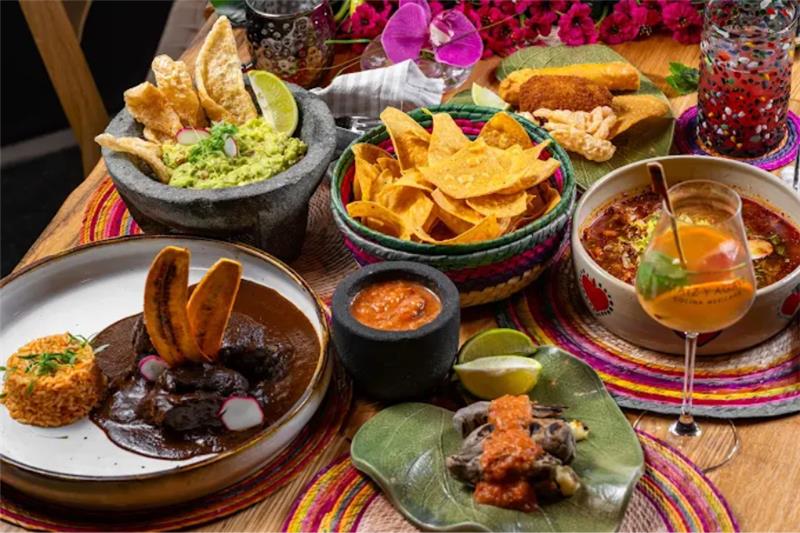
Mexico’s culinary landscape is a colorful blend of flavor, history, and artistry. Each region contributes its own ingredients and methods, shaping the country’s diverse Mexican food traditions. From the earthy notes of mole to the freshness of ceviche, every dish tells a story of community, heritage, and celebration.
Whether you’re new to Mexican cuisine or exploring its depth further, this guide highlights traditional meals that showcase the authenticity and regional richness of Mexico’s food culture. Many of these dishes can be experienced at Maíz y Agave, where each recipe honors timeless cooking methods and local ingredients.
Essence of Mexican Food: Corn, Beans, and Chili
Mexican cuisine rests on three foundational ingredients: maíz (corn), frijoles (beans), and chile (peppers), all of which shape the country’s culinary identity.
- Corn (Maíz): The base for tortillas, tamales, and tacos, corn represents nourishment and community.
- Beans: A vital source of protein, beans complement almost every meal and vary by region, from refried black beans to creamy pinto beans.
- Chili: Far beyond heat, chili defines flavor depth whether smoky, tangy, or subtly sweet across countless sauces and marinades.
The Mexican Food Calendar: A Year of Flavor
Spring
- Chiles en Nogada: A patriotic dish representing Mexico’s flag colors, enjoyed during national holidays.
- Ensaladas Frescas: Fresh salads with avocado, lime, and seasonal vegetables bring brightness to spring menus.
Summer
- Ceviche: Fresh fish marinated in lime juice with cilantro and chili, perfect for warm weather.
- Elotes (Street Corn): Grilled corn slathered with chili powder, cheese, and lime. Enjoy similar snacks in the rooftop dining area during summer months.
Autumn
- Tamales: Steamed corn dough filled with savory or sweet fillings.
- Pozole: A hearty hominy stew, often shared during family gatherings and cultural events.
Winter
- Oaxacan Chocolate (Hot Chocolate): A rich, traditional drink made with chocolate and spices, perfect for enjoying with Rosca.
- Buñuelos and Champurrado: Sweet fried pastries paired with warm chocolate beverages.
Traditional Meals Worth Trying
Tacos al Pastor
Originating in Mexico City, tacos al pastor feature marinated pork cooked on a vertical spit and served with pineapple, onion, and cilantro. The balance of smoky, sweet, and spicy flavors makes this one of Mexico’s most recognized dishes.
Mole Oaxaqueño
A rich sauce made with dried chilies, chocolate, nuts, and spices. The depth of flavor in mole Oaxaqueño speaks to centuries of culinary evolution.
Enchiladas Verdes
Corn tortillas filled with chicken and bathed in tangy tomatillo sauce. Cream, cheese, and onion complete this comforting classic.
Tamales de Elote
Sweet corn tamales, steamed in husks and enjoyed at breakfast or as a dessert.
Regional Influences in Mexican Food
- Northern Mexico: Focuses on grilled meats like carne asada and flour tortillas. Influence from ranch culture is evident in hearty, rustic meals.
- Central Mexico: The birthplace of tacos, tamales, and quesadillas. A melting pot of indigenous and colonial influences.
- Southern Mexico: Rich in tropical produce and indigenous traditions. Home to Oaxacan moles and tlayudas, large crispy tortillas topped with refried beans and cheese.
Sweet Traditions: Mexican Desserts
- Churros: Crispy pastries dusted with sugar and cinnamon, often served with chocolate sauce.
- Flan: A caramel-topped custard that’s creamy and smooth.
- Tres Leches Cake: A sponge cake soaked in three kinds of milk, creating a moist and decadent bite.
- Pan de Elote: Corn cake showcasing Mexico’s love for maize even in desserts.
Dining Experience and Atmosphere
Dining here captures the warmth and artistry of Mexican hospitality. The setting combines rustic design with modern comfort, offering spaces that celebrate both family gatherings and relaxed evenings.
Perfect Beverage Pairings
- Tequila and Mezcal: Distilled from agave plants, these spirits pair well with grilled meats and spicy sauces.
- Aguas Frescas: Light, fruit-based drinks such as tamarind or hibiscus agua fresca provide a refreshing contrast.
- Horchata: A rice drink flavored with cinnamon, balancing spicy and sweet dishes.
Cultural and Historical Significance
Mexican cuisine is a living history lesson an ongoing dialogue between past and present. UNESCO’s recognition of Mexican cuisine as an Intangible Cultural Heritage of Humanity underscores its cultural depth.
Sustainability and Tradition
- Local Sourcing: Working with nearby farms to ensure fresh ingredients and support small producers.
- Traditional Methods: Handmade tortillas, natural seasonings, and slow cooking reflect authentic preparation.
- Waste Reduction: Using every part of an ingredient from corn husks to chili stems reduces waste and honors resourcefulness.
Experiencing Mexico Through Its Food
Mexican cuisine offers a sensory journey through color, aroma, and texture. Each dish embodies centuries of culture and innovation. From tacos al pastor to mole, these creations reveal Mexico’s passion for flavor and its deep connection to land and family.
A Culinary Journey Through Mexican Food
Mexican food tells the story of a nation through taste and tradition. Each dish from simple tortillas to intricate moles embodies history, creativity, and connection. Experience the true taste of Mexico visit Maíz y Agave to savor authentic flavors and timeless tradition.
Frequently Asked Questions
Tacos al pastor, mole Oaxaqueño, and tamales de elote are among Mexico’s most celebrated dishes. Each highlights regional ingredients and centuries-old cooking traditions.
Corn, beans, and chili are the core elements of Mexican cuisine, shaping everything from tortillas and tamales to sauces and stews.
Traditional dishes follow Mexico’s harvest and festival seasons. From fresh ceviche in summer to rich moles in winter, every period brings unique flavors.
Many classics like enchiladas verdes, tamales de elote, and squash quesadillas are naturally vegetarian or easily adapted for vegan diets.
Meals are meant to be shared, celebrating community, flavor, and heritage. From street food to festive feasts, every dish tells a story of culture and connection.

Horarios
First floor "El Patio": Sun - Thur 11am to 10pm / Fri - Sat 11am to 11pm
Second Floor "Los Balcones": Sun - Thur 5pm to 10pm / Fri - Sat 5pm to 11pm
Third Floor "La Azotea": Sun - Tues 5pm to 10pm / Wed - Thur 5pm to 12am / Fri - Sat 5pm to 1am
Happy Hour: Mon - Fri 5:00 PM - 7:00 PM
Maíz y Agave - Cocina Mexicana - Copyright